Plein Watt Moto / Comparisons
E Ride Pro SS 3.0 vs SR: which off-road bike fits?
Checked
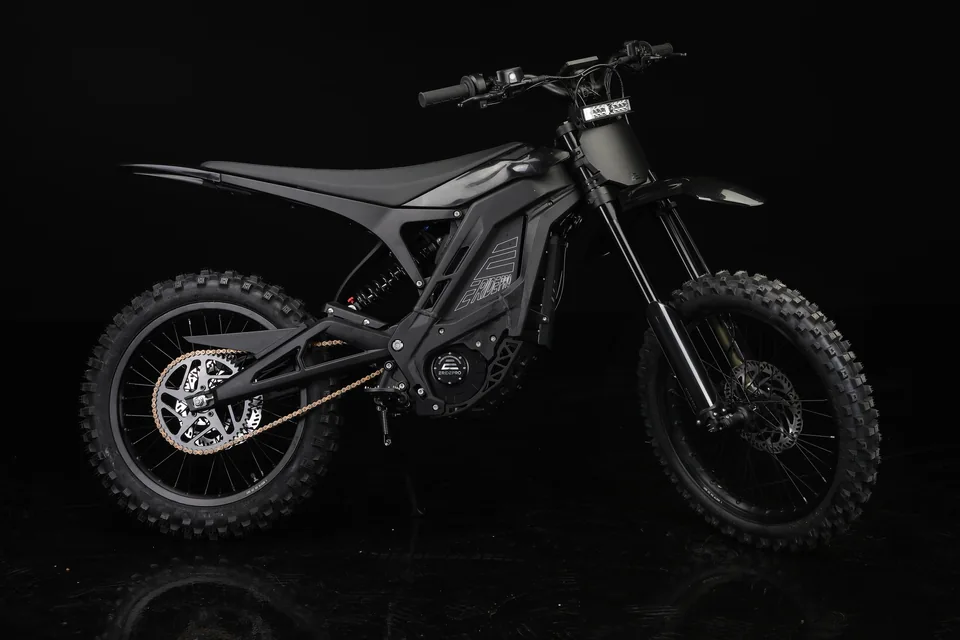
Compare the US off-road SS 3.0 and SR by output, battery and weight. Understand the useful differences without confusing them with European road-approved versions.
US configurations compared
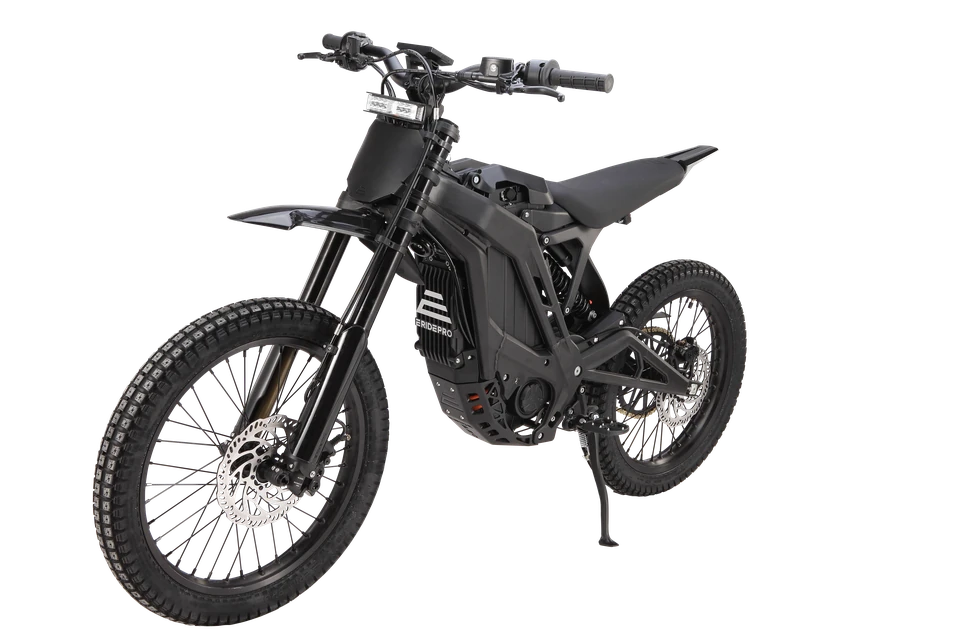
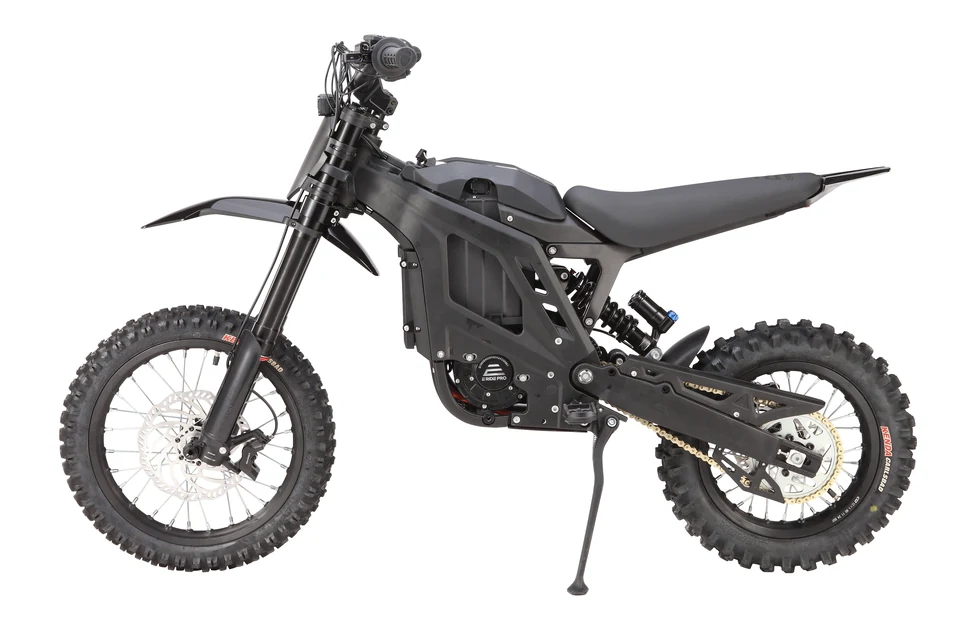
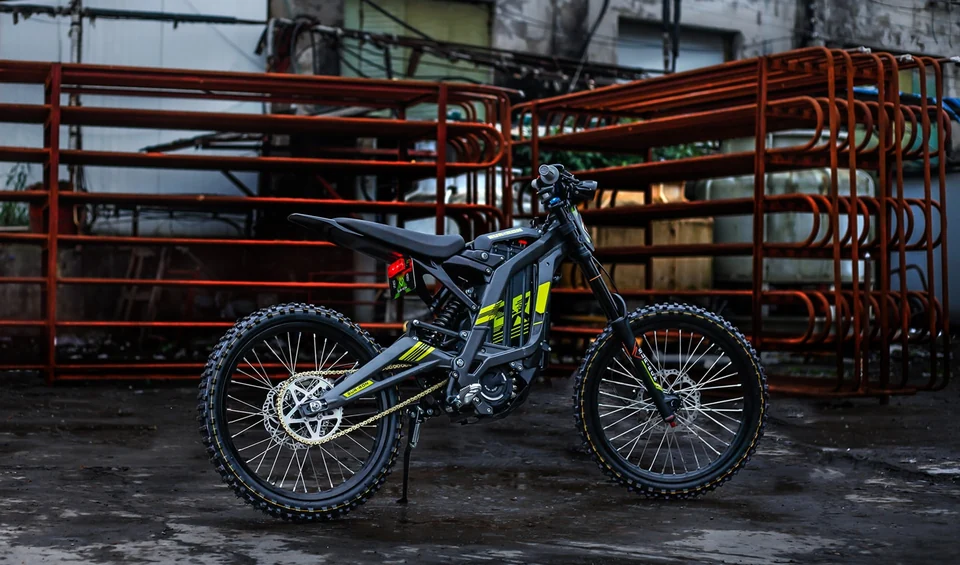
| Criterion | PRO SS 3.0 | SR |
|---|---|---|
| Rated / peak output | 6 / 15.8 kW | 10 / 25 kW |
| Battery | 72 V · 50 Ah · 3,600 Wh | 72 V · 50 Ah · 3,600 Wh |
| Listed weight | 167 lb ≈ 75.8 kg | 183 lb ≈ 83.0 kg |
| Reference seat height | 830 mm | 830 mm |
| Front / rear wheels | 19 / 18″ | 19 / 18″; 19 / 16″ |
Start by matching the versions
The SS 3.0 and SR sit at different levels of E Ride Pro’s range. This comparison uses the off-road configurations described on the manufacturer’s US website, checked November 11, 2026. An L1e or L3e SR sold in Europe is a separate reference: its regulated speed, documents and complete equipment cannot be inferred from this table.
The main choice here concerns power reserves and the weight you must manage. The SR does not bring a larger nominal battery capacity. Choosing the more powerful model in the expectation of automatically gaining range would therefore be a poor starting point.
More output, the same nominal energy
Both bikes list 72 V and 50 Ah, giving 3.6 kWh of nominal energy. That compares the energy carried, not a guaranteed riding distance. Terrain, pace, tires, temperature and rider weight affect consumption. Range claims recorded under different conditions cannot identify a winner.
The SR has higher rated and peak output. That can interest an experienced rider who has a defined reason for wanting more reserve. A specification sheet does not establish better traction in every section, a more progressive throttle or a faster lap. Those conclusions would require riding comparisons with documented settings and conditions.
Weight matters when the bike is not moving
The documented SR adds roughly seven kilograms to the SS 3.0. Consider loading it into a vehicle, maneuvering without power and picking it up. These everyday tasks may matter more to your ownership than maximum output.
Both sheets give the same reference seat height. That does not guarantee identical footing: seat width, preload and sag under the rider all matter. The SR also offers different wheel combinations. Compare the actual setups being offered and try the riding position in your usual boots and protection.
Which belongs on your shortlist?
Prioritize the SS 3.0 if you want a full-size E Ride while keeping weight lower, without a defined need for the SR’s extra reserve. It is still a powerful motorcycle: being the lower figure in this comparison does not automatically make it a beginner’s machine.
The SR makes sense if additional output is specifically what you seek and you accept the practical demands. Before deciding, identify the suspension, brakes, consumables, charger and support included with the delivered configuration. For a European offer, use that version’s own specifications and documents. Sharing a model name does not make a US off-road bike road-approved in your country.
Sources and method
Documentary comparison prepared November 11, 2026 from the cited official US E RIDE PRO pages. US off-road versions; no equivalence to European L1e/L3e models is assumed. Weight conversions are rounded. Assessments interpret the specifications; this publication has not performed a riding test.