Plein Watt Moto / Comparisons
Electric Motorcycles: Their Appeal and What Makes Sur-Ron Stand Out
Checked
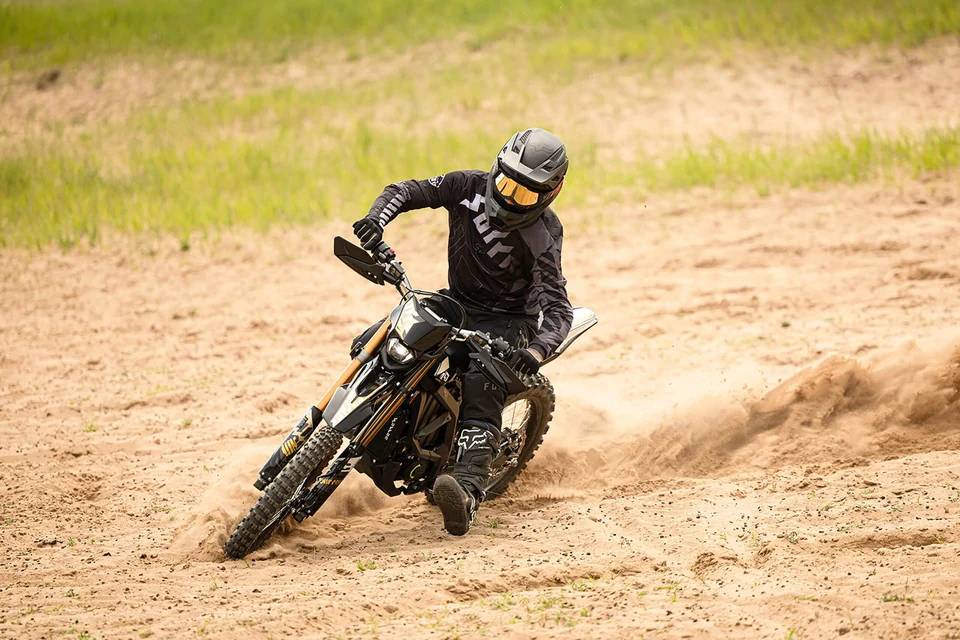
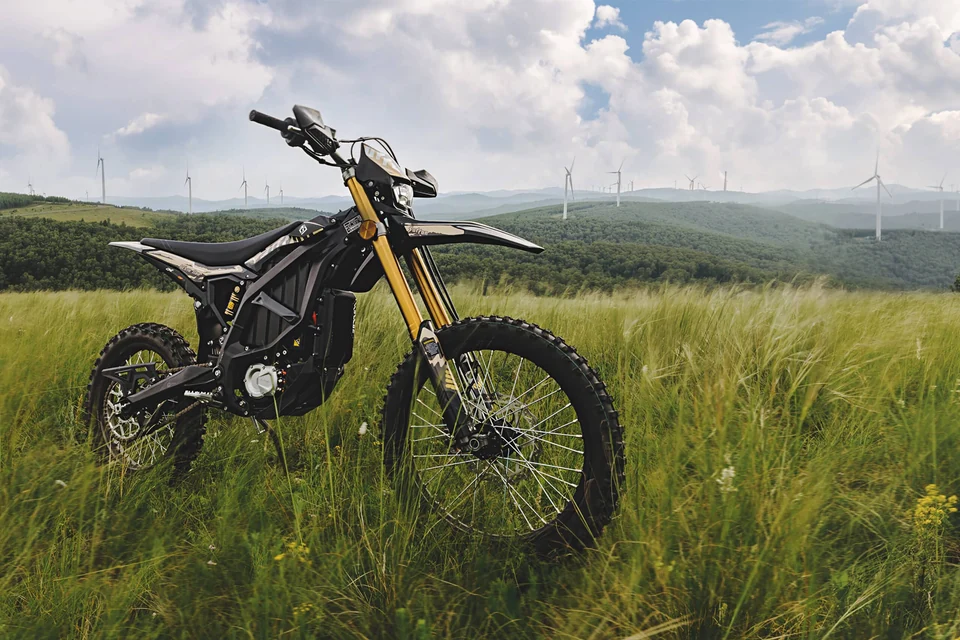
Immediate throttle response, clean lines, and a different approach to off-road riding: electric motorcycles have plenty of appeal. For this first story, Plein Watt Moto puts Sur-Ron in the spotlight. Here is what makes these bikes compelling, and how they fit alongside Talaria, E Ride Pro, and Stark Future.
This comparison uses official specifications reviewed on September 19, 2026; our team has not conducted a head-to-head riding test. Reference versions and markets are identified below.
Why are electric motorcycles so appealing?
The appeal starts with the riding experience. The motor responds directly to the throttle; on the models featured here, riders do not shift gears during a ride. That leaves more attention for lines, braking, and body position. Simple controls still require training and a power level appropriate to the rider.
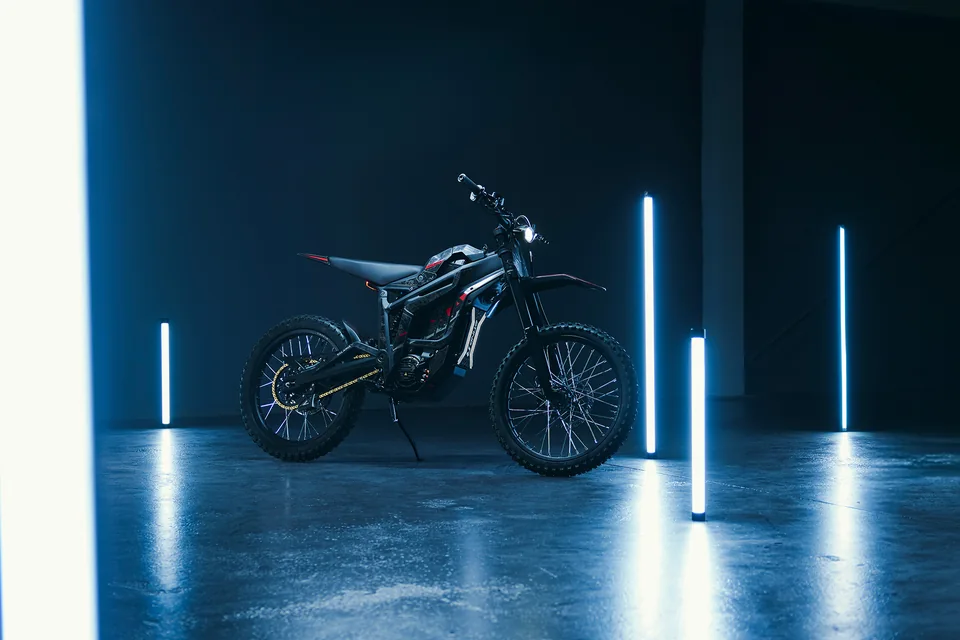
There is also the excitement of discovering something different. A battery integrated into the frame, a compact silhouette in some model families, and a distinctive visual identity can appeal to motorcycle enthusiasts and technology fans alike. Videos may spark interest; when it is time to buy, the bike’s size, weight, and the places where you can actually ride matter more.
Four practical advantages of electric power
- More focus on riding. With no manual gear changes on these models, the controls are simpler. Depending on the version, riding modes let you adjust the motor’s response.
- No exhaust emissions during use. This is a local benefit, not a claim of zero environmental impact. Manufacturing, the battery, and electricity generation also matter.
- Fewer combustion-engine service tasks. There are no spark plugs or combustion-engine oil changes. Tires, brakes, chain, bearings, suspension, and any model-specific drivetrain service still need attention.
- Charging planned around your rides. Prepare the battery using the manufacturer’s specified charger. Access to a suitable outlet, charging time, and storage instructions are all part of the decision.
Ownership cost is therefore about more than electricity. Include the purchase, riding gear, insurance, consumables, maintenance, and possible battery replacement. Intensive use wears out an electric motorcycle too.
Sur-Ron vs. Talaria, E Ride Pro, and Stark
This table covers five bikes across several categories. Power figures are claimed maximum outputs, not continuous ratings or results measured under one shared test protocol. The numbers alone do not establish a performance ranking.
On a phone, scroll the table horizontally.
| Model / reference version | Claimed maximum power | Battery | Claimed weight | What catches our attention |
|---|---|---|---|---|
| Sur-Ron Light Bee 2 · 2026 [1] | 24 kW in Turbo mode | 3.53 kWh | ≈ 65 kg / 143 lb | A compact format combining power with a low claimed weight. |
| Sur-Ron Ultra Bee HP · MY25 [3] | 21 kW | 74 V · 60 Ah ≈ 4.44 kWh* | 88.5 kg / ≈ 195 lb | A larger platform with 240 mm of suspension travel. |
| Talaria Sting Pro · TL5500 [4] | 13 kW | 72 V · 40 Ah ≈ 2.88 kWh* | Not specified on the page reviewed | Another compact option to assess in its exact configuration. |
| E Ride Pro SR · 2025 [5] | 25 kW | 72 V · 50 Ah 3.60 kWh | ≈ 83 kg / 183 lb | A high claimed peak output for this format. |
| Stark VARG MX 1.2 [6] | 60 or 80 hp, approximately 44.7 or 59.7 kW | 7.2 kWh | 118 kg / ≈ 260 lb | A full-size motocross category, distinct from compact off-road bikes. |
Indicative conversion: 1 mechanical hp ≈ 0.7457 kW; this differs from metric horsepower (ch / KM). NIST.
* Nominal energy calculated as voltage × capacity ÷ 1,000; usable energy may differ. Weight uses each manufacturer’s definition; unit conversions are rounded. Sur-Ron: Canadian and New Zealand specifications; Talaria: official UK distributor; E Ride Pro: US specification; Stark: international specification. “hp” retains Stark’s published unit. Equipment, road approval, and specifications may vary by market and model year.
Our interpretation: the Light Bee 2 makes Sur-Ron’s power-to-weight proposition particularly interesting. The SR claims a higher peak output, while the Stark belongs to a heavier, more motocross-focused category. The Ultra Bee offers a different size. The useful comparison is about riding needs and fit, not kilowatts alone.
We have not ranked range or prices: test routes, speeds, taxes, and markets differ. For the configurations and prices offered here, explore NYVOLT’s electric motorcycles.
What we appreciate about Sur-Ron
Light Bee 2: a considered technical package
Beyond the figures in the table, the Light Bee 2 combines a forged aluminum frame, a removable battery, SRTC traction control, and adjustable regenerative braking. Together, these features support its positioning: several adjustment options in a compact package. [2] Explore the Sur-Ron Light Bee 2 at NYVOLT for its presentation and specifications.
Ultra Bee: a different size within the range
The Ultra Bee offers a larger bike to consider without moving straight into the VARG MX category. It is worth examining if you want a different fit from the Light Bee. NYVOLT lists the 21 kW Ultra Bee marketed as a 2026 model; the technical source used in the table covers the HP MY25. Confirm the exact specifications of the version you order.
Choose a family, then check the version
The Light Bee X offered by NYVOLT is another model to consider. It should not be confused with the Light Bee 2 in this comparison. More broadly, a good purchase depends on the exact configuration, available documentation, and support. Frame construction or power alone cannot establish superior reliability over every other brand.
What to check before ordering
- Where riding is allowed. Establish where you will ride before choosing the bike.
- Your size and experience. Seat height, stationary handling weight, control placement, and power delivery matter as much as output.
- Your actual ride. Duration, elevation changes, pace, temperature, and load affect energy needs.
- Support. Ask about parts availability, lead times, and service terms. See NYVOLT’s after-sales support and warranty information.
Find the Sur-Ron that suits your riding
Tell NYVOLT your height, experience, and intended terrain. Contact NYVOLT to discuss the right model and configuration.
Frequently asked questions
Why choose Sur-Ron over another brand?
For the features of the version that suits you: size, weight, controls, and equipment. The range offers several sizes. A useful comparison also accounts for the quoted price and available support; no specification sheet can replace a good match for your riding.
How much range should I expect?
A claimed distance is not a promise for every ride. Ask about the conditions behind the published figure and allow a margin for your route. Avoid comparing range figures obtained at different speeds or on different terrain.
Does an electric motorcycle need no maintenance?
It does need maintenance. Follow the manual for your version, including brakes, drivetrain, fasteners, suspension, and battery care. Removing the combustion engine simplifies some tasks; it does not eliminate wear.
Can I ride on public roads in France?
Electric power does not mean road approval. A non-approved off-road model cannot be used on a route open to public traffic; it requires specially designed or adapted grounds. Third-party liability insurance is still mandatory. Check the version, documents, and applicable rules before riding. [7] Rules in other countries must be checked separately.
Sources and method
Sources reviewed on September 19, 2026. Buying interpretations are Plein Watt Moto’s; figures come from the pages below. This guide covers selected recreational off-road and motocross bikes, not the entire street motorcycle market.